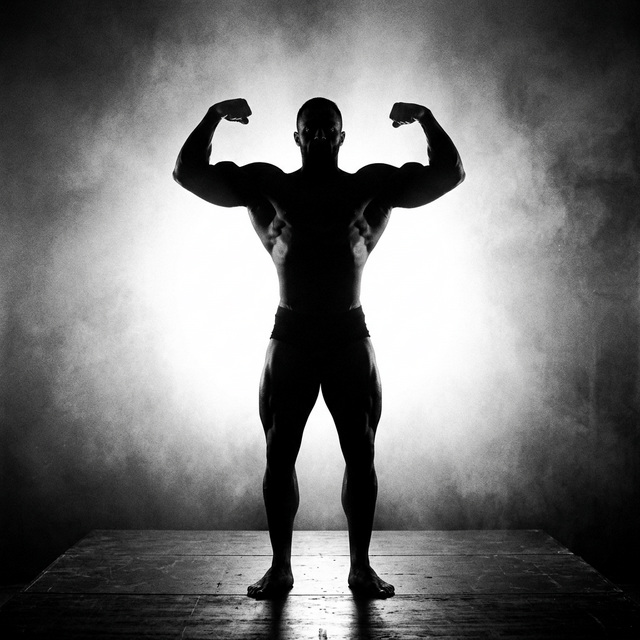
Posing 101: Mandatory Poses for Natural Competitions
Mastering the Mandatories: A Guide to Natural Bodybuilding Poses
The discipline of natural bodybuilding represents a unique intersection of rigorous physiological conditioning and refined artistic presentation. While the accumulation of contractile tissue through resistance training and the systematic reduction of subcutaneous adipose tissue through caloric restriction constitute the foundation of a competitive physique, the final determination of a championship placing often rests entirely upon the athlete’s ability to display these achievements with calculated precision. Your physique means absolutely nothing if you cannot display it effectively under the harsh glare of stage lighting. In the context of United Kingdom-based natural federations—primarily the British Natural Bodybuilding Federation (BNBF), the United Kingdom Drug Free Bodybuilding Association (UKDFBA), and the World Natural Bodybuilding Federation (WNBF UK)—the bodybuilding mandatory poses serve as the primary diagnostic tool for professional judging panels to rigidly evaluate muscularity, symmetry, and conditioning.
The following analysis provides an exhaustive, uncompromising guide to mastering these poses, grounded in sports science, biomechanics, and the specific regulatory requirements of the modern UK natural bodybuilding landscape. This is not a guide for novices content with simply stepping on stage; this is a tactical blueprint for those aiming to dominate their class.
The Biomechanical and Physiological Basis of Stage Presentation
Stage presentation is often colloquially referred to as “the third discipline” of bodybuilding, standing equal alongside the iron of training and the strict mathematics of nutrition as a critical pillar of success. A competitor may possess a superior physique in terms of raw muscle mass and a lower body fat percentage, yet easily lose to a nominally less developed athlete who demonstrates better control, superior “flow,” and undeniable “posing fitness”. The presentation of a physique is not merely a passive act of standing; it is a high-intensity, isometric performance that demands significant metabolic and neuromuscular resources.
Posing as Vigorous Intensity Exercise
One of the most significant recent findings in sports science regarding bodybuilding is the definitive classification of posing as a vigorous-intensity physical activity. A landmark 2024 study examining the metabolic cost of posing routines in male bodybuilders utilised Metabolic Equivalents (METs) and heart rate (HR) responses to quantify the intense physiological strain athletes undergo during a standard judging round.
The research unequivocally demonstrated that mandatory posing sets frequently meet or exceed the benchmarks for vigorous exercise, with heart rates rapidly reaching intensities comparable to high-intensity interval training (HIIT) or heavy, compound resistance sets.
| Physiological Marker | Observed Posing Value | Vigorous Intensity Threshold | Statistical Significance |
|---|---|---|---|
| Metabolic Equivalents (METs) | 6.8 - 8.2 METs | > 6.0 METs | p < 0.01 (Highly Significant) |
| Heart Rate (BPM) | 145 - 165 BPM | > 75% of Max HR | p < 0.05 (Significant) |
| Perceived Exertion (RPE) | 16 - 18 / 20 | 15+ (Borg Scale) | Correlated with Lactate Accrual |
Data definitively indicates that posing training is a valid form of metabolic conditioning and requires highly specific cardiovascular preparation well in advance of peak week.
This exceptionally high metabolic cost has profound implications for “Peak Week” preparation. As competitors enter the final, brutal stages of a contest diet, their energy reserves are profoundly depleted. The physiological strain of maintaining these vigorous isometric contractions during long, drawn-out comparison rounds can rapidly lead to uncontrollable “shaking,” severe cramping, and a disastrous loss of abdominal control. Consequently, “posing fitness”—the elite ability to maintain maximal voluntary isometric contractions while seamlessly controlling breathing and facial expressions—must be systematically developed through months of dedicated, exhausting practice. You do not get “posing fit” in the final fortnight.
Neuromuscular Fatigue and Posing Endurance
The ability to sustain a pose under the intense heat of stage lights is fundamentally a function of neuromuscular endurance. Surface electromyography (sEMG) studies have meticulously tracked the fatigue-related changes in motor unit firing patterns during sustained isometric contractions. As a muscle fatigues during a 30-to-60-second hold—the standard duration for a tight comparison round—the median frequency (MF) of the EMG signal typically declines, while the root mean square (RMS) amplitude radically increases.
This specific shift indicates a marked reduction in muscle fibre conduction velocity and a desperate, increased recruitment of additional, often less efficient motor units to maintain the required force output.
| Subject Group | MF Decline Rate (Hz/sec) | RMS Increase (%) | Fatigue Resistance Profile |
|---|---|---|---|
| Trained Bodybuilders | -0.42 Hz/sec | +15% | Superior Endurance |
| Non-Athletes | -1.15 Hz/sec | +45% | Poor Endurance (Rapid Failure) |
Trained athletes exhibit a significantly slower rate of MF decline, suggesting that chronic resistance training coupled with regular posing practice aggressively enhances the nervous system’s ability to maintain steady, hard contractions.
For the UK natural competitor, this physiological reality means that the “pose-down” or long call-outs are a supreme test of both muscle quality and nervous system efficiency. If your nervous system cannot sustain the strong electrical signal to the muscles, your physique will appear remarkably “soft” and washed out on stage, entirely regardless of your actual body fat levels.
UK Federation Landscapes: Regulatory and Judging Criteria
Navigating the various UK federations requires an intimate, strategic understanding of their specific judging rounds and aesthetic preferences. While the core bodybuilding mandatory poses are largely standardised across the globe, the weighting, interpretation, and order of rounds can vary significantly, dictating where an athlete should focus their presentation efforts.
The British Natural Bodybuilding Federation (BNBF)
The BNBF utilises a rigid, traditional three-round judging system for bodybuilding and figure classes. Round 1 focuses sharply on symmetry and proportion through the quarter turns (front, side, back, side). Round 2 evaluates muscularity and conditioning via the eight mandatory poses. Round 3 is the evening performance, where the individual routine is showcased to music. Critically, each round is weighted equally, meaning a poor, uninspired routine in Round 3 can theoretically offset a strong muscularity score from Round 2.
The World Natural Bodybuilding Federation (WNBF UK)
When assessing wnbf posing criteria, the focus is heavily weighted towards structural balance and extreme, striated conditioning. The WNBF judges are notorious for penalising athletes who cannot hold their midsection tight during transitions. The criteria strictly demand that athletes demonstrate a clear separation between muscle groups without sacrificing the overall flow of the physique. A blocky waist or an inability to properly flare the lats in the relaxed poses will immediately drop an athlete down the placings, regardless of their leg size or arm development.
The UK Drug Free Bodybuilding Association (UKDFBA)
The UKDFBA strictly follows stringent WADA-compliant drug-testing protocols, including mandatory polygraph tests and immediate post-win urine analysis. Their recent guidelines place a heavy emphasis on the “Golden Era” ideal, particularly in the Classic Physique division, prioritising sweeping symmetry and artistic presentation over sheer, unrefined mass.
| Division | Primary Judging Focus | Mandatory Poses | Conditioning Preference |
|---|---|---|---|
| Men’s Bodybuilding | Mass, Detail, Density | 8 Poses + Most Muscular | Hard, Dry, Deeply Separated |
| Classic Physique | X-Frame, Flow, Vacuum | 5 Poses + Classic Choice | Sharp, Aesthetic, Not “Grainy” |
| Men’s Physique | V-Taper, Midsection | Quarter Turns only | Athletic, Beach-Ready |
| Figure (Women) | Symmetry, Tone, Shape | 5 Specialised Poses | Defined, Firm, Not Striated |
The Technical Execution of Mandatory Poses
To truly master the mandatories, one must deeply understand the biomechanical cues that maximise the “optical illusion” of bodybuilding. Posing for naturals is the deliberate art of highlighting your genetic strengths and artfully obscuring your weaknesses through strategic joint angles and maximal muscle activation.
1. Front Double Biceps
This pose is the absolute quintessential display of the coveted “X-frame,” evaluated directly from the front. Judges are actively looking for pronounced bicep peaks, forearm thickness, sweeping lat width, and deep quad separation. Before taking to the stage, reviewing a detailed front double biceps tips breakdown is mandatory.
- The Foundation: Set the feet approximately hip-width apart. A “spiked” calf (heel raised aggressively on one leg) is standard practice to forcefully show quad separation and highlight the “teardrop” (vastus medialis).
- The Upper Body: Raise the elbows slightly above the shoulder line. Supinating the wrists (turning the palms firmly toward the head) mechanically forces the bicep to contract harder, creating a higher, more pronounced peak.
- The Lat Flare: A common, fatal error is “hiding the lats” by shrugging the shoulders up towards the ears. Instead, actively depress the scapulae (pull your shoulders down hard) and protract them slightly to “pop” the lats out rapidly from behind the arms.
- Midsection: The athlete can choose between a hard, crunched abdominal flex or a classical vacuum. The vacuum often makes the waist appear radically smaller, enhancing the V-taper exponentially.
2. Front Lat Spread
The singular goal here is maximal width. This pose severely tests the athlete’s ability to neurologically control the scapulae and the serratus anterior muscles. A flawless lat spread tutorial focuses heavily on the mechanics of the back, not the arms.
- Hand Placement: Fists are placed high firmly on the waist, with thumbs hooked aggressively just above the hip bone, driving into the obliques. This creates a solid mechanical leverage point to pull the elbows forward.
- Scapular Mechanics: Unlike a heavy barbell row where you retract the shoulder blades, the lat spread requires maximal protraction. Imagine “wrapping” the lats entirely around the ribcage. Keep the chest “proud” and elevated high to avoid looking concave or collapsed.
- Legs: Keep the knees slightly “soft” (never fully locked out) and actively push the quads outward to show the maximum “sweep” or outer curve of the vastus lateralis.
3. Side Chest
This pose showcases the sheer density and thickness of the torso from a punishing profile view. It separates the thick, mature physiques from the flat ones.
- Lower Body Stacking: The leg closest to the judging panel is spiked. The rear leg is pressed firmly and aggressively against the front leg to “push” the hamstring out, creating a much fuller, thicker profile.
- The Chest Squeeze: The athlete rotates the torso slightly toward the judges. The rear arm reaches tightly across the body to grip the front wrist. This levering action allows the athlete to violently squeeze the pectoral muscles together, highlighting deep striations and fibrous depth.
- Posture: Stay upright and commanding. “Falling forward” into the pose makes the athlete look infinitely smaller and lacks confidence.
4. Side Triceps
The focus here is sharply on the lateral head of the triceps, the striated deltoid tie-in, and the deep, carved obliques.
- The Grip: Reach firmly behind the back and clasp the hands or grip the opposing wrist. The arm facing the judges must be kept pressed brutally against the side of the torso. This physical pressure “flattens” the muscle against the body, making the triceps appear significantly wider and thicker.
- The Flex: Fully and aggressively extend the elbow to show the triceps “horseshoe” in all its detail. Simultaneously, exhale sharply and “crunch” the obliques hard on the judge-facing side to show a tight, deeply etched midsection.
5. Rear Double Biceps
Contests are routinely, universally “won from the back.” This pose strips away all illusions and reveals the most honest detail in a competitor’s physique.
- Calf Spiking: One foot must be spiked back firmly to show ultimate calf development. This stance also mechanically assists in flexing the hamstrings and glutes to their absolute limit.
- The Back Set-Up: Draw the elbows out and curl the biceps hard. A critical, advanced nuance is the subtle “leaning back” toward the judges. Since the judging panel is seated below the stage, tilting the upper body back slightly makes the lats and traps appear massively more prominent and imposing.
- Detail vs. Width: Do not over-retract the scapulae under any circumstances. Pinching the shoulder blades together hides the lats completely. Instead, keep the lats flared wide while using the rhomboids and lower traps to show deep, intricate muscularity.
6. Rear Lat Spread
This is the ultimate, undeniable test of sheer back width and the highly coveted “Christmas tree” (erector spinae and lower lat detail).
- Execution: Hands firmly on the waist, thumbs hooked in deep. Pull the elbows out and forward as wide as mechanically possible. Similar to the front version, keep the chest up high even though it’s facing away from the judges. A dropped chest ruins the width of the upper back.
- Lower Body: Keep the glutes flexed brutally hard. In the realm of natural bodybuilding, deep, cross-striated glutes are a primary indicator of extreme, elite-level conditioning.
7. Abdominals and Thighs
This pose highlights the deep, chunky “blocks” of the rectus abdominis and the deep “feathering” of the quadriceps.
- Arm Positioning: Both hands go securely behind the head, elbows aggressively flared. This action mechanically stretches the skin heavily over the abdominals, making the muscular definition appear vastly sharper.
- The Ab Pop: Exhale rapidly and sharply to remove all air from the lungs, then flex the abs violently. Avoid “squishing” the physique down, which instantly makes the waist look blocky and wide. Instead, think of actively pushing the head back into the fists to “lengthen” the torso while the abdominals remain under maximal tension.
- The Quad Flex: One leg is pushed forward, the toe is pointed hard, and the quadriceps complex is flexed to show the four distinct, deeply separated heads of the muscle.
8. Most Muscular
The final compulsory pose used by the men’s divisions to demonstrate raw, unadulterated mass and vascularity.
- The Crab: Hands are brought together forcefully in front of the body, and the athlete leans forward, squeezing the traps, delts, chest, and arms with everything they have left. This version shows the most “freakiness” and trap density.
- Hands-on-Hips: This variation shows significantly more of the V-taper and upper chest width while still popping the traps and shoulder caps. It is often preferred by those with wider clavicles and smaller waists.
Core Mastery: The Biomechanics of the Vacuum
The stomach vacuum has proudly transitioned from a stylish “Golden Era” aesthetic choice to a mandatory, functional requirement in the modern natural classic physique divisions. Physiologically, the vacuum aggressively targets the Transversus Abdominis (TVA), the deepest layer of the abdominal wall that functions as a natural, biological corset for the entire lumbar spine.
The Mechanics of the Transversus Abdominis (TVA)
The TVA does not produce dynamic movement like the rectus abdominis; instead, it provides immense rigidity, stability, and expertly manages intra-abdominal pressure. Training the TVA routinely through the vacuum exercise can measurably reduce the resting waist circumference, providing a massive, undeniable advantage in all symmetry rounds.
- Total Exhalation: The vacuum must begin with a complete, forceful expiration. The athlete must remove all air from the lungs, reaching a desperate state of “empty” that allows the internal organs to be physically pulled upward under the ribcage.
- The Draw-In Maneuver: Once the air is violently expelled, the athlete pulls the navel maximally toward the spine and forcefully upward. This is a deliberate, intense voluntary contraction of the TVA and the internal obliques.
- Maintaining the Hold: A true championship vacuum is held steadily for 10–20 seconds. During this harrowing time, the athlete must seamlessly use “shallow breathing” into the upper chest to maintain the aesthetic without ever letting the stomach “spill” out.
Consistent, brutal vacuum practice (3 sets of 20-30 second maximal holds, 4-5 times per week) is the only proven method to ensure the muscle doesn’t “break” during the long minutes of a gruelling competition round.
Sarcoplasmic Expansion and Muscle Maturity: The Hidden Benefits of Posing Practice
Beyond mere stage aesthetics and presentation, regular, high-intensity posing practice serves as a unique, highly potent hypertrophic stimulus. Some of the most rugged veteran bodybuilders argue that “posing builds density,” a claim that finds serious, robust support in the physiological effects of sustained isometric tension.
Isometric Hypertrophy and Sarcoplasmic Growth
Intense isometric training at long muscle lengths (the fully “stretched” position) has been clinically shown to induce significant regional hypertrophy. When a highly conditioned athlete holds a mandatory pose, they are deliberately subjecting the muscle to 30–60 seconds of maximal tension without a millisecond of rest.
- Blood Flow Occlusion: The intense, unyielding contraction effectively “chokes off” the blood supply to the working muscle (hypoxia). This leads to a massive, rapid accumulation of metabolic byproducts (lactate, hydrogen ions), which forcibly triggers the release of local growth factors upon eventual relaxation.
- Sarcoplasmic Expansion: Brutal posing practice can actively enhance the volume of the sarcoplasm—the non-contractile fluid within the muscle fibre. This physiological swelling contributes directly to the “full,” densely “rounded” look that rapidly separates seasoned professionals from flat-looking novices.
- Mind-Muscle Connection: By repeatedly “finding” and flexing stubbornly lagging muscle groups (like the hamstrings or the posterior deltoids) in front of a mirror, the athlete rapidly improves the neural pathways to those specific muscles. This translates to vastly more effective workouts, as the athlete becomes neurologically superior at recruiting those exact fibres during heavy traditional lifting sets.
Peak Week: Nutritional and Hydration Strategies for Natural Athletes
In natural bodybuilding, the final “peaking” process is a scientifically delicate, high-stakes balance of managing muscle glycogen levels and manipulating systemic osmotic pressure. Because natural athletes strictly do not use pharmacological diuretics, they must rely entirely on the body’s natural homeostatic mechanisms to achieve a paper-thin, “dry” look.
Glycogen Supercompensation (The Carb Load)
The explicit goal of the “carb load” is to aggressively super-saturate the depleted muscles with glycogen. Glycogen is a highly osmotic molecule; for every single gram of glycogen stored, approximately 3 grams of water are forcefully pulled into the muscle cell along with it.
If the load is executed with mathematical precision, the water is effectively “pulled” away from the subcutaneous layer (underneath the skin) and driven deep into the muscle fibre, making the athlete look vastly bigger and leaner simultaneously. However, disastrous “spillover” occurs if the athlete foolishly consumes more carbohydrates than the muscles can actually store, leading to rapid extracellular water retention, a ruined midsection, and a soft, watery appearance.
The Critical Role of Sodium and Water
Sodium is a critical, essential electrolyte that strictly regulates fluid balance. A common, historically disastrous mistake in the “old school” approach was aggressively cutting sodium early in peak week. However, science dictates that sodium is absolutely necessary for the glucose transporters (GLUT4) to effectively pull carbohydrates and water efficiently into the muscle belly.
- Sodium Loading: Purposefully increasing sodium intake early in the week (up to 5-7g per day) and strictly maintaining it until the night before the show ensures the muscles stay “full,” hard, and wildly vascular.
- Water Tapering: Natural athletes must maintain a massively high water intake (6-8 litres per day) until exactly 12-24 hours before stepping on stage. This prolonged hydration induces “polyuria” (increased, rapid urination), which effectively flushes out any excess extracellular fluid while keeping the body flushing normally.
| Critical Nutrient | Strategy (Mon-Wed) | Strategy (Thu-Fri) | Strategy (Show Day) |
|---|---|---|---|
| Carbohydrates | Severely Low (Deplete) | Very High (Load) | Moderate (Maintenance Only) |
| Sodium | High | High | Moderate/High (Do Not Cut) |
| Water | Very High (8L+) | Aggressive Taper | Managed Sips Only |
| Protein | Consistent | Consistent | Moderate |
This modern “back-loading” strategy is universally considered safer and vastly more predictable for natural athletes than a traditional, outdated “front-load” protocol.
Psychological Dimensions of Stage Presence
The final, often defining aspect of mastering the mandatories is the psychological ability to completely “own” the stage. Judges are ultimately human, and their perception is subconsciously influenced by the athlete’s projected confidence, raw charisma, and unshakeable composure under pressure.
The “Live Person” Concept
Psychological research into social cues under high-pressure environments has identified the “live person” concept: individuals who make consistent, unbreakable eye contact, smile authentically despite pain, and show genuine interest in the moment are perceived vastly more positively by observers.
- Eye Contact: A competitor who looks directly at the judges with absolute confidence is powerfully signalling that they are excessively prepared and violently proud of their grueling work. Looking down at the floor or appearing visibly frightened can and will negatively impact the symmetry and presentation scores.
- Facial Composure: The panicked, “strained” face of a novice—eyes bulging, mouth agape, veins popping in the neck—severely detracts from the flow and aesthetic. Mastering true “posing fitness” allows the elite athlete to keep the face completely relaxed or smiling radiantly while the entire rest of the body is locked under maximal, painful tension.
Common Posing Myths Debunked
- “Posing Ruined My Gains”: Some paranoid novices fear the high caloric cost of posing will somehow lead to rapid muscle loss. On the contrary, the intense isometric stimulus and the vastly improved mind-muscle connection likely enhance muscle quality, density, and “hardness”.
- “You Can Spot-Reduce with the Vacuum”: While mastering the vacuum unquestionably makes the waist look radically smaller on stage, it does absolutely not burn fat locally in that area. Fat loss is entirely systemic.
- “Posing is for the Narcissistic”: Posing is not vanity; it is a highly technical physical skill required for athletic competition. It is the core “performance” aspect of a performance-based sport.
- “Natural Athletes Don’t Need to Peak”: While “peaking” is undeniably more dramatic and dangerous for enhanced lifters, the critical 2-5% visual difference in muscle fullness and dryness achieved through a perfectly executed natural peak week is invariably the difference between a first-place trophy and a second-place finish.
Conclusions and Actionable Recommendations
Mastering the mandatory poses in elite natural bodybuilding is an exhaustive, painful, and demanding process that must begin months before the first competition. The clinical data unequivocally indicates that posing is a vigorous metabolic task that requires highly specific cardiovascular and neuromuscular preparation. For the ambitious UK-based competitor, securing victory in federations like the BNBF, WNBF, or UKDFBA depends entirely on a seamless synthesis of deep anatomical knowledge, flawless technical precision, and unbreakable psychological composure.
- Practical Recommendation 1: Implement rigorous “Posing Rounds” early in your prep cycle. Begin with three painful 15-minute sessions per week, focusing entirely on perfect technical cues. By passing the 4-week-out mark, increase to daily grueling 30-minute mirror-free sessions to aggressively build your posing endurance and stamina.
- Practical Recommendation 2: Treat the vacuum hold as an essential core exercise, not an afterthought. Perform it strictly 4-5 times per week in the morning on a completely empty stomach to maximise TVA control and permanently reduce your resting waist circumference.
- Practical Recommendation 3: Use your peak week strategically to “fill out,” absolutely not to mathematically “dry out.” Focus entirely on a carefully controlled carbohydrate load seamlessly paired with adequate sodium and water intake to ensure the muscles are pumped full and the “optical illusion” of the physique is maximised to its absolute limit.
- Practical Recommendation 4: Focus obsessively on the “transitions.” The judges evaluate the athlete from the exact millisecond they confidently walk on stage until the moment they walk off. Smooth, powerfully fluid movements securely between poses strongly signal professionalism, dominance, and total control.
In the final, brutal analysis, poor posing can and absolutely will ruin a championship-calibre physique. By treating the mandatories with the exact same scientific rigor, respect, and punishing intensity as your heavy lifting and your precise nutrition, the elite natural athlete ensures that every single gruelling gram of muscle they have fought to build is clearly visible, devastatingly aesthetic, and absolutely undeniable to the judging panel.
Advanced Transition Mechanics: The Space Between the Poses
While the static mandatories dictate the scoresheet, the invisible battleground where elite natural competitors separate themselves from amateurs lies entirely within the transitions. A transition is the kinetic sequence of movements connecting one mandatory pose to the next. Judges evaluate the athlete from the exact millisecond they step out from behind the curtain until the moment they disappear into the wings. If your physique “collapses,” falters, or appears soft during these critical intervals, the judging panel will subconsciously downgrade your structural integrity.
The Philosophy of Constant Tension
The fundamental rule of elite-level transitioning is the maintenance of constant, deliberate muscular tension. Amateurs typically hit a pose, completely relax their musculature (often accompanied by an uncontrolled outward breath), shuffle their feet haphazardly, and then laboriously attempt to rebuild the next posture from the ground up. This erratic, stop-start presentation visually shatters the illusion of dominance and immediately highlights structural flaws, particularly a widened waist or softened gluteal development.
Conversely, the professional transitioning protocol demands a seamless, fluid transfer of isometric tension from one muscle group to another. When breaking the Front Double Biceps to move into the Front Lat Spread, the abdominal wall must remain ruthlessly locked down, and the quadriceps visibly engaged throughout the movement. The arms should sweep elegantly but with severe purpose, never dangling lifelessly at the sides. Every single movement must project absolute control.
Choreographing the Invisible
Transitions should be treated as dynamic, heavily choreographed variations of the mandatories themselves. They require identical rehearsal volume to the static poses.
- The Pivot Point: All transitions originate from a perfectly balanced lower body. Rather than rapidly picking up the feet, the athlete should pivot forcefully on the balls of the feet, maintaining active tension through the calves and sweeping the vastus lateralis outward even while in motion.
- The Hand Sweep: Hand placement during movement is critical. Rather than letting the arms drop, athletes should trace deliberate, calculated lines across the body. A slow, controlled sweep of the arm across the midsection can temporarily draw the judges’ gaze while the athlete locks down the opposing side’s musculature.
- The Breath Control Trap: The single most common failure point during a grueling round is desperate oxygen intake. Athletes inevitably attempt to gulp air during transitions, resulting in the dreaded “gut spill.” Superior transition mechanics actively require “sipping” oxygen high into the thoracic cavity while keeping the transverse abdominis violently tightened.
The Physics of Stage Lighting and Pro Tan Mechanics
A championship physique is meaningless if it cannot bend light to its absolute advantage. The stage environment is a highly artificial arena designed to violently highlight contours and expose weaknesses. Understanding the rudimentary physics of stage lighting and the strict application of contest tanning products is a non-negotiable requirement for the drug-free competitor striving for ultimate definition.
The Optical Illusion of Depth
Stage lights are overwhelmingly positioned directly overhead and aggressively from the front (the “wash”). Under normal, ambient gym lighting, a physique benefits from multidirectional shadowing, making muscles appear deeper than they objectively are. On stage, the blinding front wash physically flattens the physique, washing out all subtle striations and fine details.
To combat this, the athlete must actively manipulate the overhead lighting to cast strategic shadows beneath the muscle bellies. This entirely dictates the angle of the mandatories. For instance, in the Front Double Biceps, bringing the elbows slightly forward (rather than pulling them back perfectly in line with the torso) forces the overhead light to violently cast a shadow directly underneath the bicep peak and the anterior deltoid, instantly granting the illusion of radical muscle thickness and profound depth.
The Chemistry of the Contest Tan
The application of “Pro Tan” or equivalent competition bronzers is not a cosmetic luxury; it is a critical scientific protocol. A natural athlete’s skin structure differs from their enhanced counterparts, often presenting tighter, thinner epidermis due to the lack of extreme water retention associated with exogenous hormones.
- Light Absorption vs. Reflection: Pale skin reflects light entirely, effectively blinding the judges and entirely erasing muscular definition. A dark, aggressively applied competition tan physically absorbs the blinding stage light, preventing the “flattening” effect and violently revealing the deep cuts, vascularity, and cross-striations hidden beneath the skin.
- The Danger of Oil: In the early 2000s, athletes would heavily oil their physiques before stepping on stage. Modern posing science dictates extreme caution here. While a very light glaze can arguably highlight the high points of the muscle, heavy oiling acts as a massive reflector, bouncing light erratically and obscuring the hard-earned detail. Natural athletes, particularly those competing in federations like the BNBF or UKDFBA that prize the “dry, grainy” look, should rely almost entirely on the matte depth of the tan itself, using posing glaze only minimally on the deltoids, pecs, and quads.
Cortisol Management During the Callouts
The sheer physiological and psychological terror of the comparison round—the “callouts”—induces a massive, systemic stress response. For the natural athlete entirely reliant on fragile physiological homeostasis, the rapid, aggressive spike in the stress hormone cortisol can destroy a peak in a matter of minutes.
The Cortisol/Aldosterone Feedback Loop
When an athlete is called to the centre stage and forced into repeated, brutal mandatory holds alongside their direct rivals, the body registers this as an extreme physical threat. The adrenal glands rapidly pump out cortisol and adrenaline to manage the perceived crisis.
While adrenaline provides the necessary neurological drive to sustain the poses, uncontrolled cortisol actively sabotages the physique’s appearance. An acute cortisol spike rapidly triggers the release of aldosterone, a hormone directly responsible for sodium and water retention. Within ten to fifteen minutes of intense posing, a previously “dry” athlete can suddenly appear remarkably soft and watery across the lower back and lower abdominals—a catastrophic event commonly referred to as “spilling over on stage.”
Mitigation Protocols for the Natural Athlete
Managing this acute stress response is fundamentally a function of extreme mental rehearsal and calculated physical pacing.
- The Stoic Mindset: Complete emotional detachment from the chaos of the judging panel is mandatory. Amateurs nervously scan the judges’ faces, panic when they are bumped down the line, and let their anxiety hyperventilate their breathing. The elite professional stares straight ahead, locks into a state of flow, and treats every single command as a clinical instruction, effectively blunting the psychological trigger for cortisol release.
- The “Relaxed” State Pacing: You cannot hold a 100% maximal contraction for twenty sequential minutes. You will absolutely fail. The secret to surviving long callouts is mastering the 80% contraction. When the judges are briefly focused on the other end of the line, the athlete must expertly marginally reduce the isometric tension in their legs and back just enough to briefly clear lactate and lower the heart rate, without ever appearing “soft” to the casual observer. The millisecond the judge’s gaze shifts back, the athlete forcefully ramps back to 100% tension.
Symmetry Round Specifics: The Quarter Turns
While the eight mandatories steal the dramatic highlight reels, the quarter turns (the symmetry round) are brutally unforgiving and frequently dictate the final placings before a single mandatory is even called. The quarter turns are an absolute test of structural balance, X-frame proportions, and the total absence of physical weaknesses.
The Masterclass in Angles
The fundamental error in the quarter turns is treating them as “relaxed” poses. There is absolutely nothing relaxed about them. The “Front Relaxed” stance requires the lats to be maximally flared, the transversus abdominis entirely locked down into a mild vacuum, and the quadriceps flexed hard enough to show deep separation, all while projecting an aura of effortless calm.
- The Side Relaxed Torso Twist: When instructed to quarter turn to the right, the amateur simply stands sideways. The professional aggressively spikes the front calf, forcefully drives the rear leg into the front hamstring for maximum thickness, and radically twists the upper torso back toward the judging panel. This violent, painful twist artificially presents chest thickness, deltoid width, and tight oblique detail simultaneously, vastly widening the traditional profile view.
- The Rear Relaxed Illusion: This pose must expose maximum shoulder width tapering down to the narrowest possible waist, flaring immediately back out to deeply striated glutes and sweeping hamstrings. Pushing the hips slightly backward while lifting the chest violently upward creates a deep, dramatic arch in the lower back, bringing the heavily detailed erector spinae muscles sharply into immediate focus.
The Individual Routine: Choreography and Music Selection
In federations such as the BNBF, the individual evening routine carries profound weight, commanding up to 33% of the total score. This is not a mere formality; it is an aggressive, theatrical performance designed to definitively cement the athlete’s superiority in the judges’ minds.
The Architecture of a Winning Routine
A championship routine is not a random sequence of favourite muscular poses strung haphazardly together. It is a highly strategic, carefully architected narrative that deliberately features the athlete’s absolute best genetic traits while completely masking any slight anatomical deficiencies.
- The 15-Second Hook: The human attention span is brutally short. The routine must begin with the athlete’s undisputed “freak” pose within the very first 15 seconds. Whether it is an astonishing vacuum, deeply cross-striated glutes in a rear lat spread, or thick, sweeping quads, the initial visual impact must forcefully grab the judges by the throat and refuse to let go.
- Pacing and Musicality: The single biggest mistake is posing vastly too quickly for the chosen music. Slow, deliberate music requires slow, agonizingly smooth transitions holding poses for three to five full seconds. Fast, aggressive music requires sharp, violent strikes. The poses must hit perfectly, directly on the primary snare or bass drop of the track. An athlete who poses entirely out of sync with their own music immediately signals a critical lack of bodily control and professionalism.
- The Signature Closing: The routine must culminate in the athlete’s most dominant, undeniably powerful mandatory pose, held exactly as the music fades entirely to silence. This leaves the judging panel with a final, searing, permanent mental image of absolute physical perfection directly before they finalize their critical scorecards.
In the final, uncompromising assessment, poor posing execution can and absolutely will violently ruin a championship-calibre physique built through years of brutal sacrifice. By treating the mandatories, the transitions, and the exhaustive routine with the exact same ruthless scientific rigor, unyielding respect, and punishing intensity as your heavy lifting and precise nutrition, the elite natural athlete ensures that every single gruelling gram of muscle they have violently fought to build is clearly visible, devastatingly aesthetic, and absolutely undeniable to the judging panel.
Frequently Asked Questions
1. How long before a show should I start practising the bodybuilding mandatory poses? Serious posing practice should begin a minimum of 12-16 weeks before the competition. Initially, focus on muscle recruitment and perfecting joint angles in front of a mirror. As the show approaches, transition to holding the poses for 30-60 seconds without a mirror to build vital neuromuscular endurance and mimic stage conditions.
2. Is it true that holding the vacuum pose actually makes your waist physically smaller? Yes, but through muscular control, not fat loss. The vacuum tightly conditions the Transversus Abdominis (TVA), the biological corset that holds your internal organs in place. Strengthening this muscle allows you to pull your resting waistline tighter, giving the permanent illusion of a smaller, more aesthetic midsection.
3. Why do I shake uncontrollably when trying to hit a front lat spread or side chest? Uncontrollable shaking is a direct consequence of a lack of “posing fitness” and severe neuromuscular fatigue. Holding maximal isometric contractions requires massive neurological output. If you haven’t trained your nervous system to sustain this output through regular, exhausting posing sessions, the motor units will begin to misfire, causing visible tremors.